For a city that had been completely unknown to me, Bitola is steeped in history which is still easily evident today.
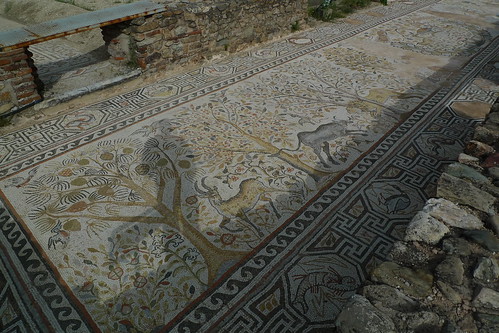
A 15-minute walk outside the city center is the archaeological site of Heraclea, founded by the father of Alexander the Great, though much of the site visible today is from Roman time. It has acres of mosaics, including a huge one in technicolor! They more than made up for all the other "supposed" mosaics that were covered under 6 inches of gravel.
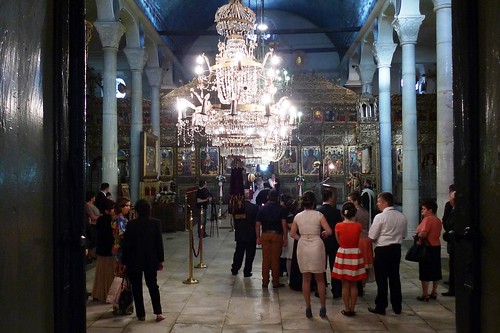
The Byzantine empire is only visible through the strong Orthodox faith of the people, whose most important church St Dmitri was actually built during Ottoman time. Its very impressive iconostasis was featured in The Peacemaker (1997).
Ottomans built mosques galore, probably converted many churches too. The few remaining are in various stages of restoration. We have been told that their worshipers have mostly left. Not to mention the Jews. Judging by the size the cemetery there must been quite a few over the centuries.
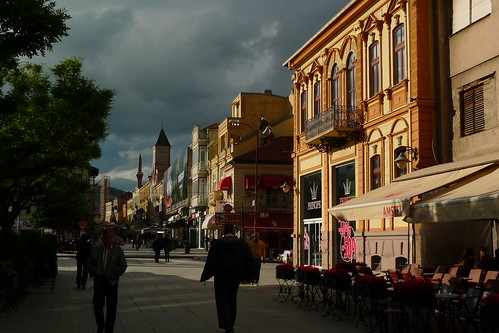
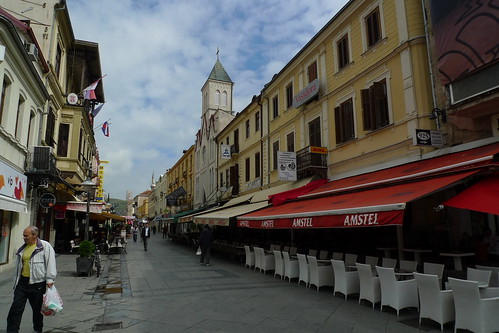
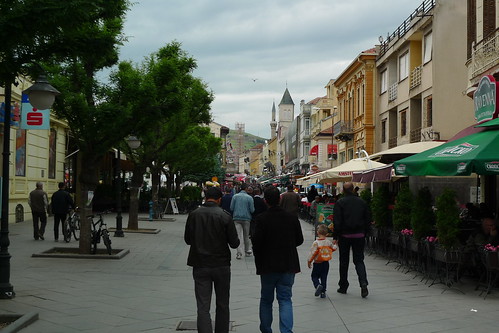
Ottomans also left Bitola with the atmospheric pazar (market area with small shops and workshops), and the pedestrian main street Sirok Sokak (Turkish: wide lane) is lined with ex-consulates form when Bitola was a major trade center. Nowadays Sirok Sokak is lined with cafes. I have been pondering the source of this cafe culture in much of the Balkans. The drinking vs eating I can attribute to lack of economic resources. The coffee vs alcohol has got to be a holdover from Ottoman days.
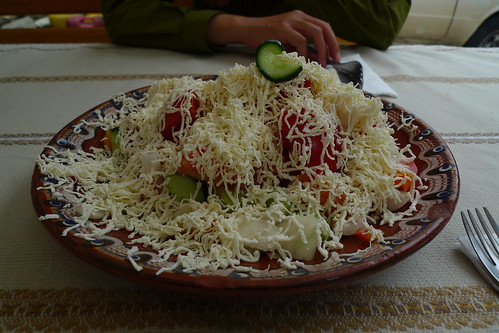
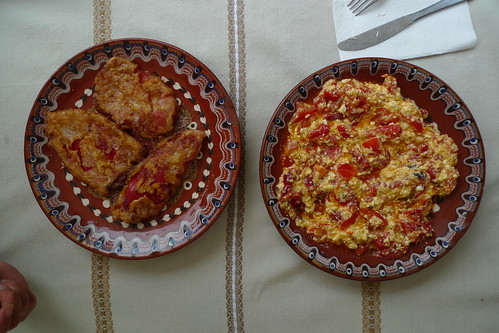
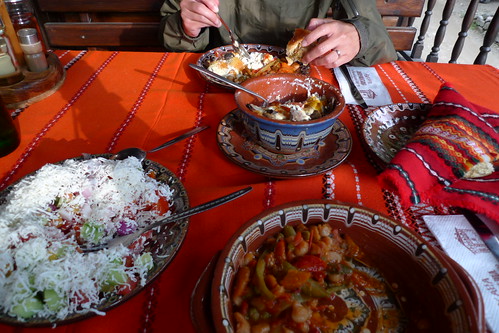
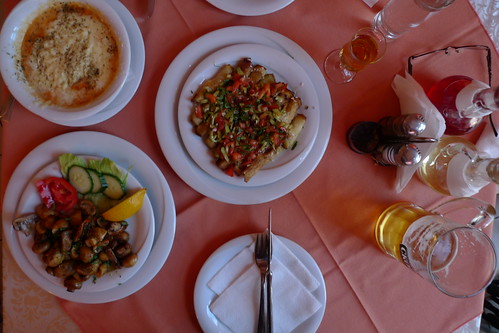
The downside to this coffee culture is a limited selection of restaurants serving local food, which features a lot of meat, making experiencing local food challenging. We were lucky enough to run into a young Peace Corps volunteer who pointed us to a local restaurant. The first time we went in, I was intimated by their Cyrillic only menu. Once we overcame that hurdle, some good meals were had here.
On the second day, we had wanted to go hiking in Pelister National Park, but could not figure out the bus, and did not want to take a taxi. So, we started walking from our hotel to the Neolica hut, from which one can continue into Pelister. There were nice views back to town.
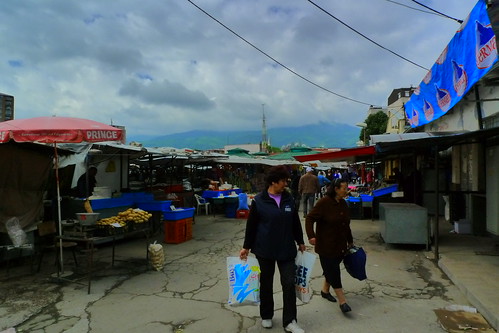
The vegetable and fruit market.
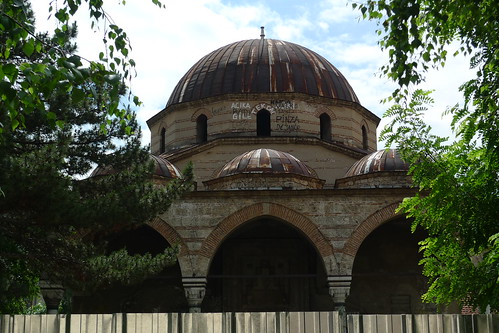
Nearby mosque under renovation.
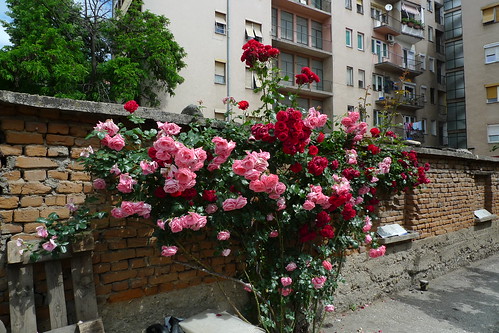
Roses, roses, everywhere.
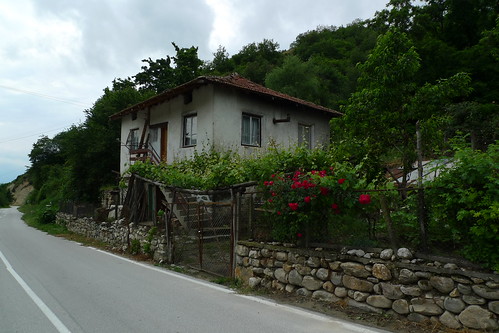
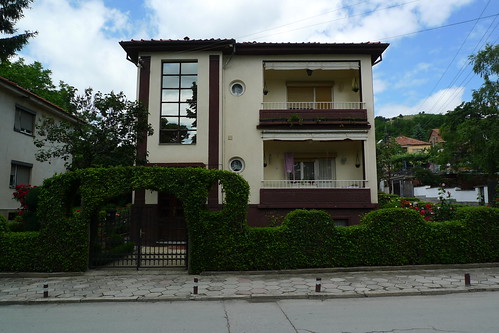
House built in the 1960's with hedge and flowers.
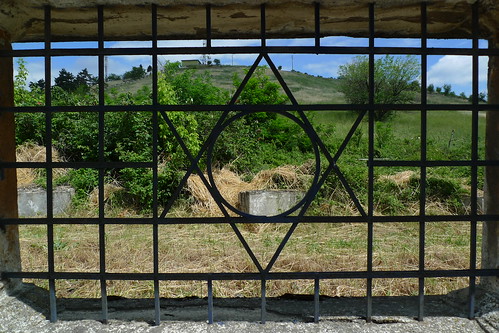
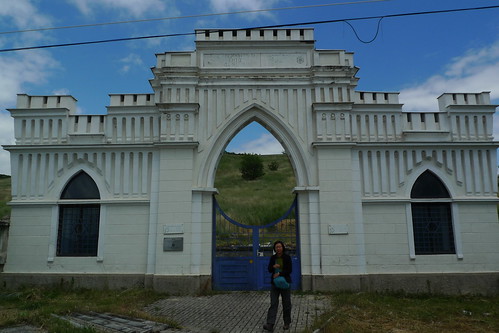
A poignant reminder of the Holocaust is the Jewish Cemetery in Bitola with every grave marker smashed into rubble. All the Jews in Bitola were sent to concentration camps in 1943. To me this sight is almost as moving as Auschwitz.
This entire grassy field is the Jewish Cemetery.
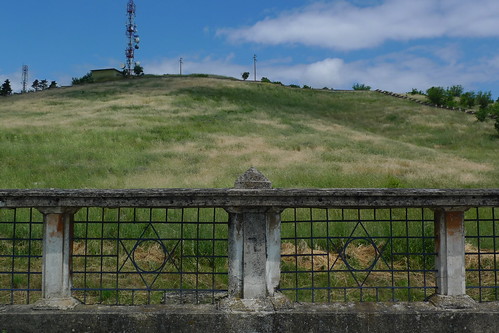
The Memorial.
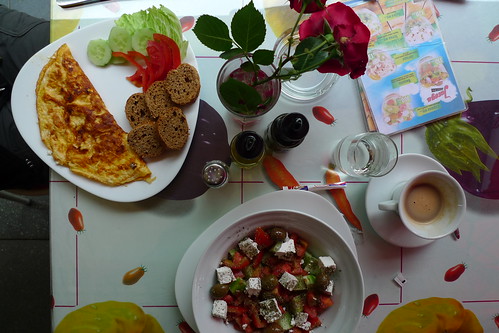
Lunch.
Sirok Sokak - the main street. Looking past the cafes towards the Catholic church and 2 mosques.
Afternoon coffee and cake - cafe culture for sure.

Mosaics at the ruins of Heraclea. The first uncovered, in situ mosaics of the trip.
A wedding in the Orthodox church; with a view to the amazing iconostasis.
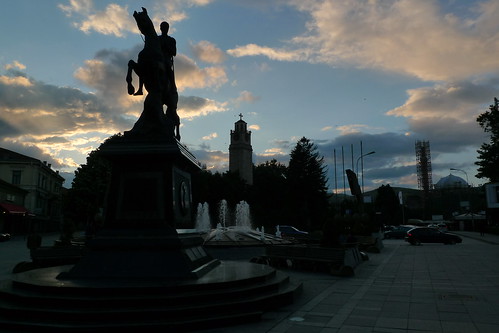
Square with statue, clock tower, and minaret (under renovation).
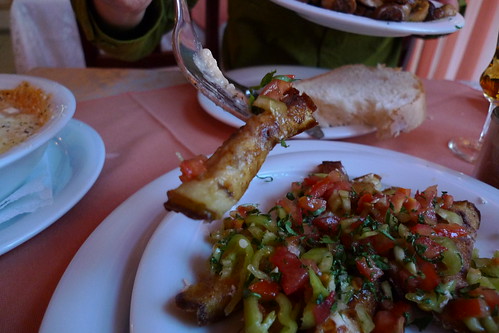
Dinner at our fav restaurant. The stuffed rolled eggplant slices were fantastic.
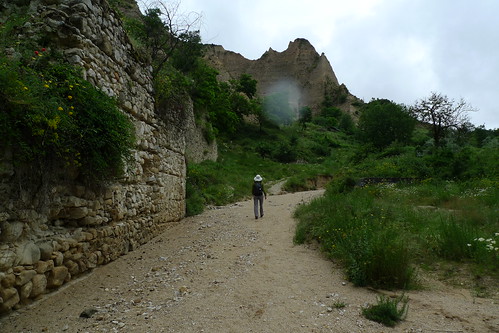
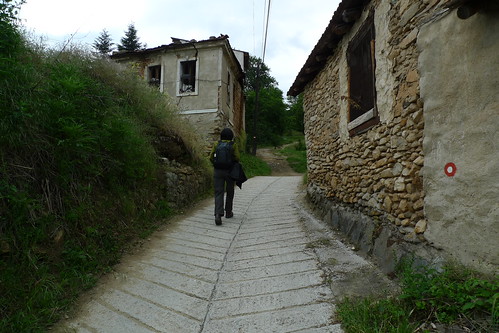
Walking to Lavci Village.
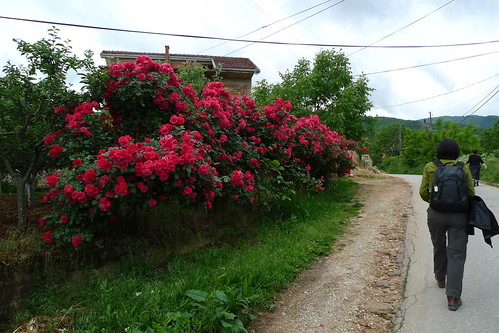
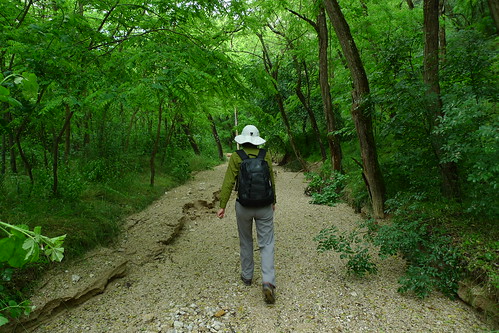
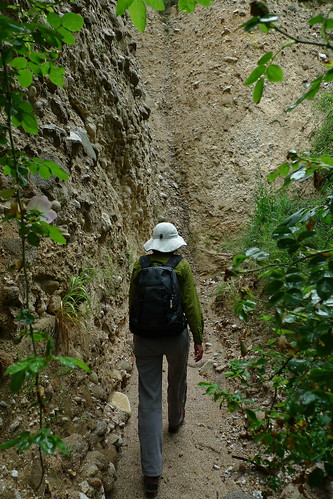
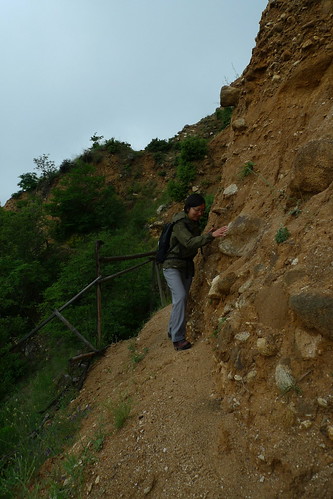
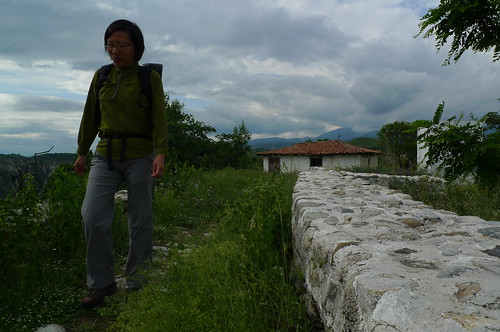
Following the Red Circle Trail to Neolica Hut.
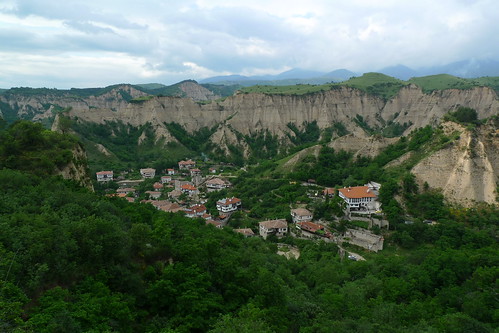
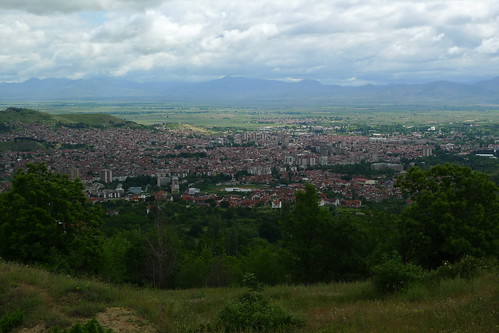
View back to Bitola.
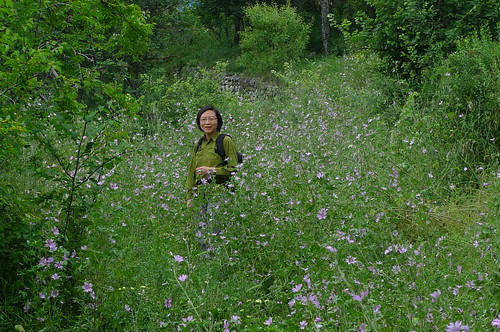
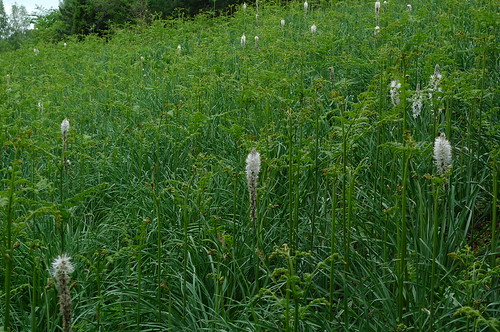
Ferns and flowers. The locals forage these ferns for the fiddle heads.
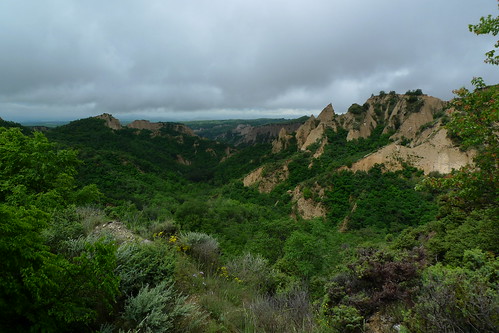
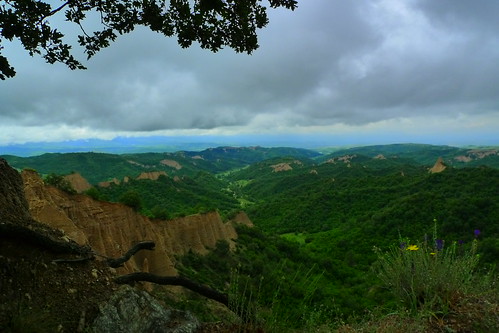
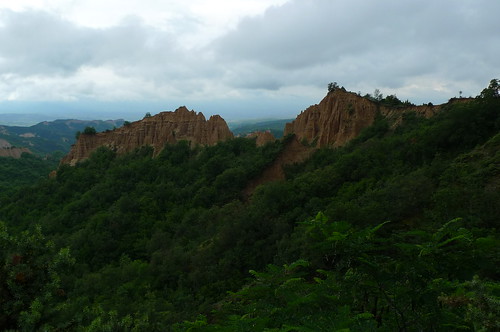
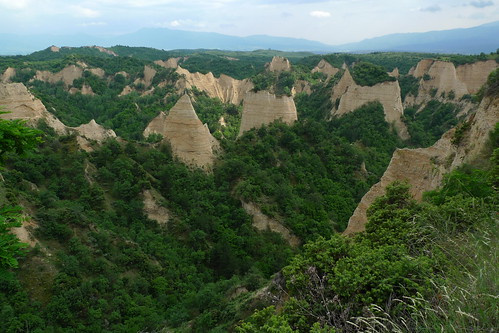
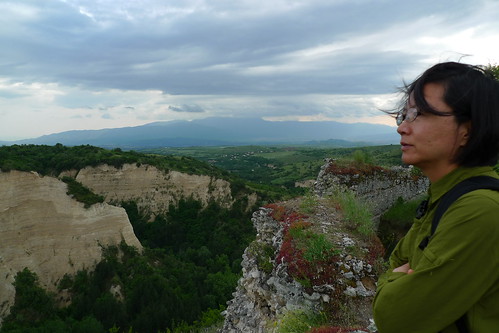
View to the valley.
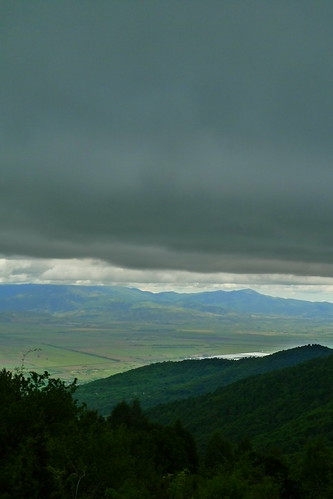
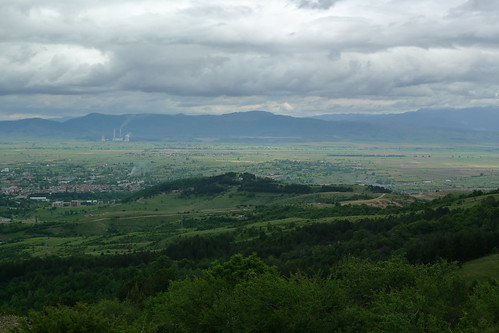
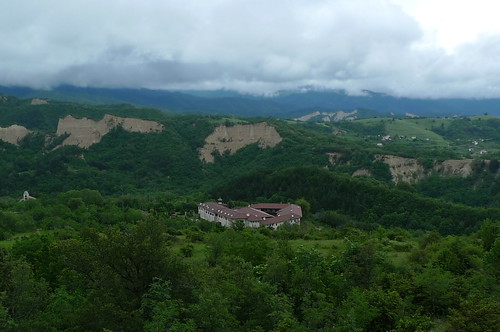
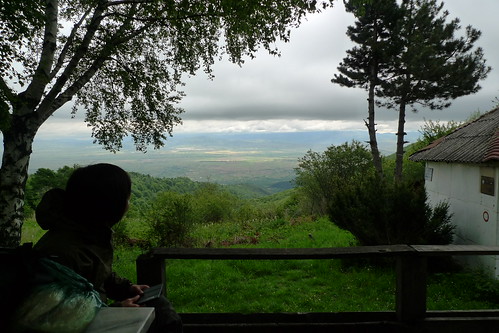
View from Neolica Hut. We ate a quick lunch and headed back down as it was 45F with a light rain.
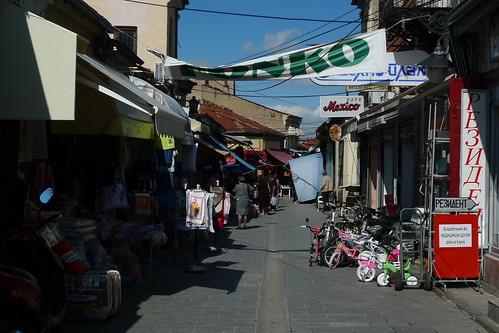
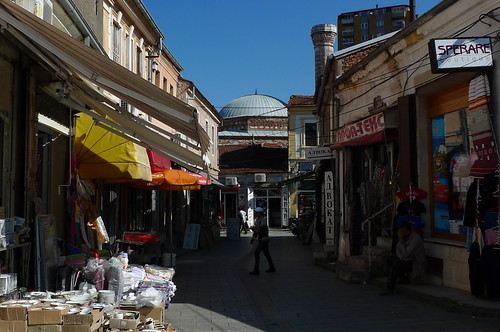
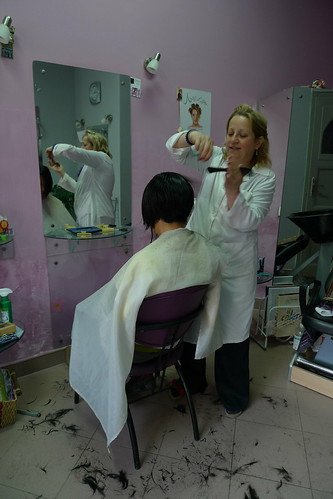
Some shots of the pazar (bazaar) where SL gets her haircut.
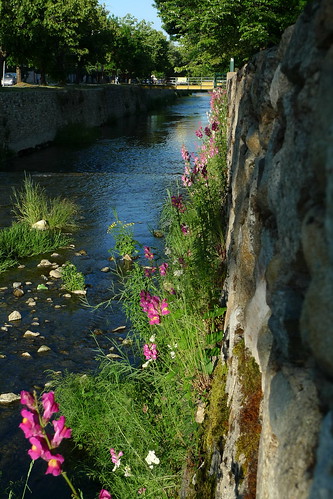
The river promenade.
Final dinner.
A 15-minute walk outside the city center is the archaeological site of Heraclea, founded by the father of Alexander the Great, though much of the site visible today is from Roman time. It has acres of mosaics, including a huge one in technicolor! They more than made up for all the other "supposed" mosaics that were covered under 6 inches of gravel.
The Byzantine empire is only visible through the strong Orthodox faith of the people, whose most important church St Dmitri was actually built during Ottoman time. Its very impressive iconostasis was featured in The Peacemaker (1997).
Ottomans built mosques galore, probably converted many churches too. The few remaining are in various stages of restoration. We have been told that their worshipers have mostly left. Not to mention the Jews. Judging by the size the cemetery there must been quite a few over the centuries.
Ottomans also left Bitola with the atmospheric pazar (market area with small shops and workshops), and the pedestrian main street Sirok Sokak (Turkish: wide lane) is lined with ex-consulates form when Bitola was a major trade center. Nowadays Sirok Sokak is lined with cafes. I have been pondering the source of this cafe culture in much of the Balkans. The drinking vs eating I can attribute to lack of economic resources. The coffee vs alcohol has got to be a holdover from Ottoman days.
The downside to this coffee culture is a limited selection of restaurants serving local food, which features a lot of meat, making experiencing local food challenging. We were lucky enough to run into a young Peace Corps volunteer who pointed us to a local restaurant. The first time we went in, I was intimated by their Cyrillic only menu. Once we overcame that hurdle, some good meals were had here.
On the second day, we had wanted to go hiking in Pelister National Park, but could not figure out the bus, and did not want to take a taxi. So, we started walking from our hotel to the Neolica hut, from which one can continue into Pelister. There were nice views back to town.
The vegetable and fruit market.
Nearby mosque under renovation.
Roses, roses, everywhere.
House built in the 1960's with hedge and flowers.
A poignant reminder of the Holocaust is the Jewish Cemetery in Bitola with every grave marker smashed into rubble. All the Jews in Bitola were sent to concentration camps in 1943. To me this sight is almost as moving as Auschwitz.
This entire grassy field is the Jewish Cemetery.
The Memorial.
Lunch.
Sirok Sokak - the main street. Looking past the cafes towards the Catholic church and 2 mosques.
Afternoon coffee and cake - cafe culture for sure.
Mosaics at the ruins of Heraclea. The first uncovered, in situ mosaics of the trip.
A wedding in the Orthodox church; with a view to the amazing iconostasis.
Square with statue, clock tower, and minaret (under renovation).
Dinner at our fav restaurant. The stuffed rolled eggplant slices were fantastic.
Walking to Lavci Village.
Following the Red Circle Trail to Neolica Hut.
View back to Bitola.
Ferns and flowers. The locals forage these ferns for the fiddle heads.
View to the valley.
View from Neolica Hut. We ate a quick lunch and headed back down as it was 45F with a light rain.
Some shots of the pazar (bazaar) where SL gets her haircut.
The river promenade.
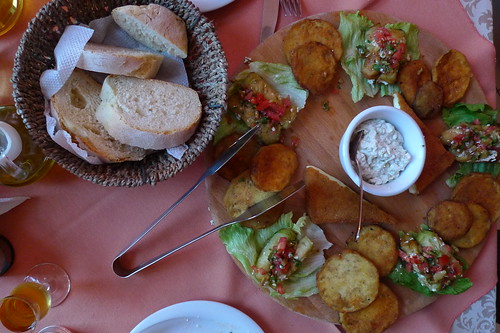
Final dinner.