Search This Blog

Tuesday, March 15, 2016

Agrigento - The Archaeological Park

The Valley of the Temples is one of the largest archaeological sites in the world according to Wikipedia. We came here to see the mile long row of 7 ancient Greek temples, perched on the city wall, all in varying stages of collapse. Note that we only visited 5 of the 7 temples.

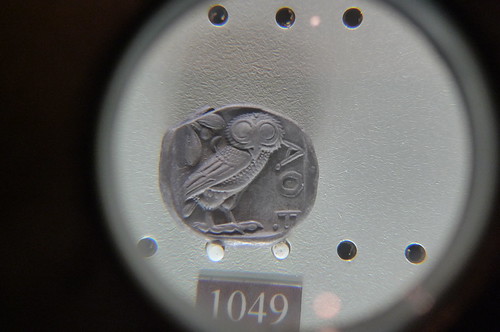
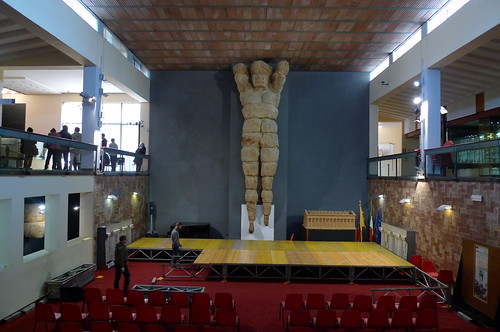
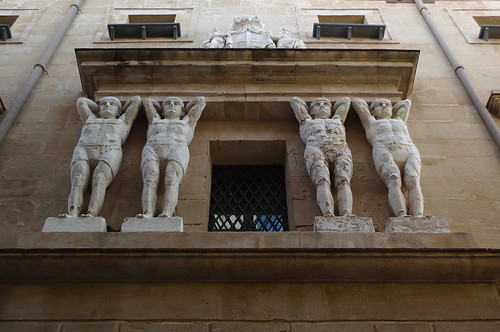
We started our visit to the Valley of the Temples in Agrigento with a stop in the site museum, where in addition to an excellent display of vases and coins there are pieces of 4 telamon from the site. A telamon is a statue that holds up part of a building. It is conjectured that Temple of Zeus was supported in part by 38 of these telamon.

The museum was pretty good with English description for most but not all objects, and the archaeological site was very good. It's not often one can see 7 er 5 Greek temples in one afternoon.

In addition, the site has a Roman-era ruins and Christian cemetery ruins that are adjacent to the Greek Temples.

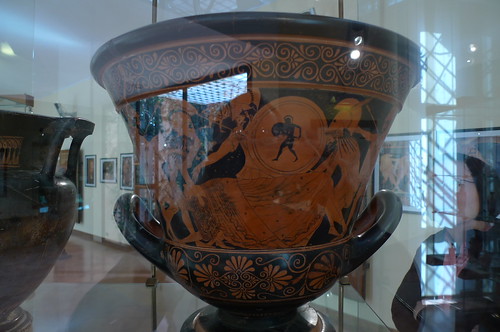
One of the many vases in the museum.
Agrigento, Sicily, Italy

Coin with with owl.
Agrigento, Sicily, Italy

Telamon - over 20 feet tall.
Agrigento, Sicily, Italy

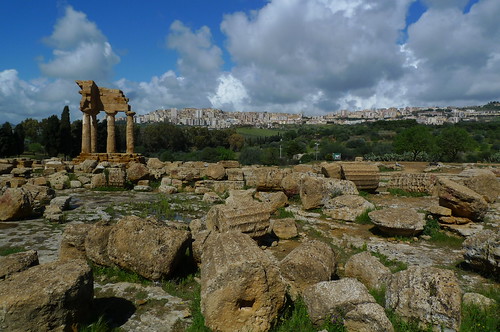
Temple of Castor and Pollux with modern Agrigento behind on the hill.
Agrigento, Sicily, Italy

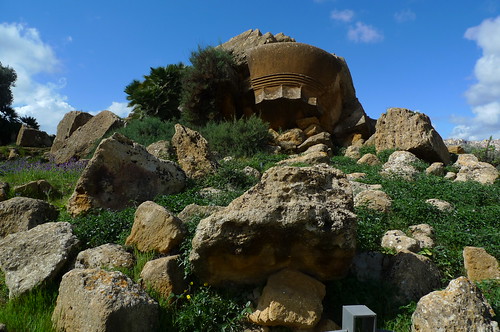
A big heap of rubble, fragments of telamons and columns, foundations, and the altar, are all that are left of the Temple of Zeus.
Agrigento, Sicily, Italy

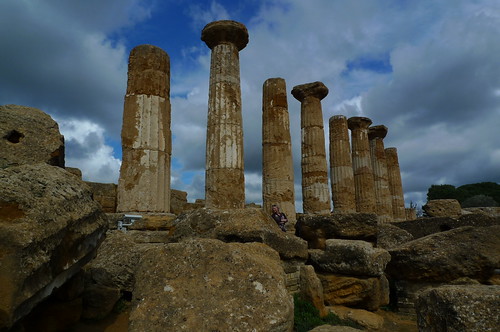
Temple of Hercules.

Agrigento, Sicily, Italy

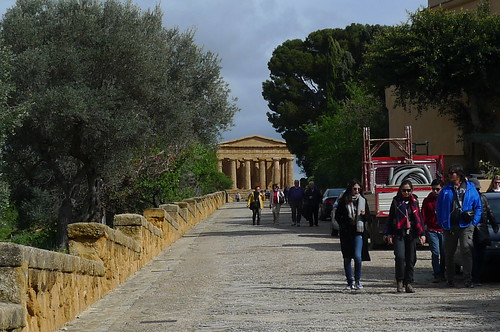
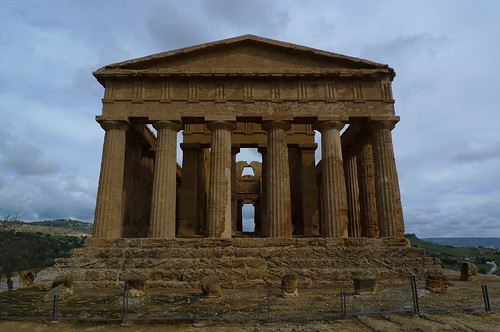
Looking down the Sacred Way to the so-called Temple of Concord, the best preserved of the temples as it's superstructure was converted into a Christian Church about 700 AD.
Agrigento, Sicily, Italy

Concordia reminds one of the temple at Segesta.
Agrigento, Sicily, Italy

Here you can see how the Greek Temple's cella (main room) was cut with arches to make it the nave of the Christian Church.
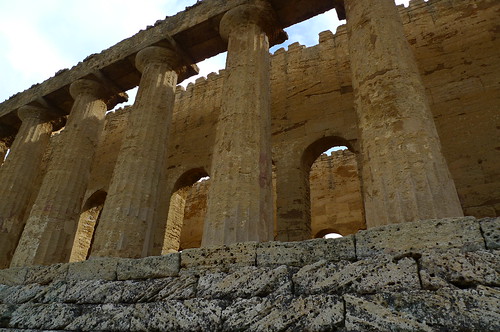
Agrigento, Sicily, Italy

And a view back along the ancient city wall to Temple Concordia.
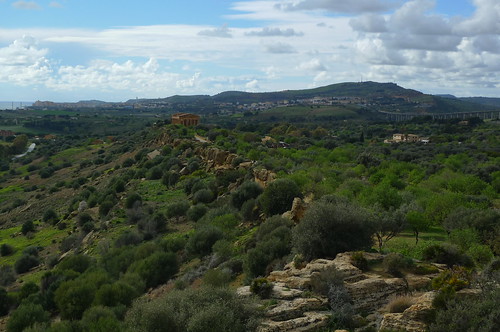
Agrigento, Sicily, Italy

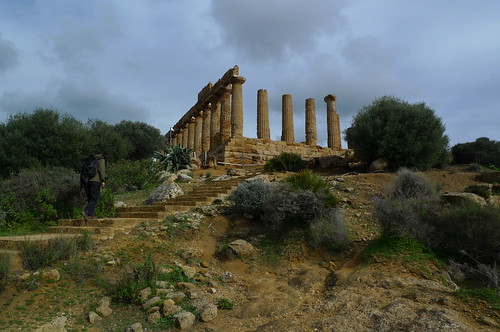
Finally, the Temple of Hera.
Agrigento, Sicily, Italy

Monday, March 14, 2016

Disasters #2.5 and #3

If John getting sick was the first disaster of the trip, I was solely responsible for our subsequent misfortunes.  

Back in Erice I slipped on a wet flagstone, landed on my butt, re-straining the inside ligament (MCL) of my left knee which I injured back in January from an exact same fall walking in our neighbor during the ice/snow storm.  This I didn't bother to report since my knee was only a little bit worse off.

 However, three days later, I stepped into a muddy puddle while looking at my Nexus 7, slipped and landed on my butt in the puddle, the Nexus 7 flew out of my hand, cracked against the ground, jolted outside its case.  I was stunned.  John and the sole witness pulled me up out of puddle.  I was relieved to find that I did not re-strain my knee ligament yet again.  I was okay, other than a dime sized scrape on my left elbow, no holes in my clothes, no bruise-able ego any longer.

The Nexus 7 fared much worse, while it didn't completely die, the cracks on the screen made it utterly useless.  If this had happened at home, I'd be so excited by the opportunity of getting a new device, but on the road?! 

My bigger worry is whether I'll be able to complete this trip and go home in one piece.  John has been very sweet, helping ascertain when surfaces are slippery or not, holding onto me extra....  Our adventure  continues, with new apprehensions.

Sunday, March 13, 2016

Agrigento - The City

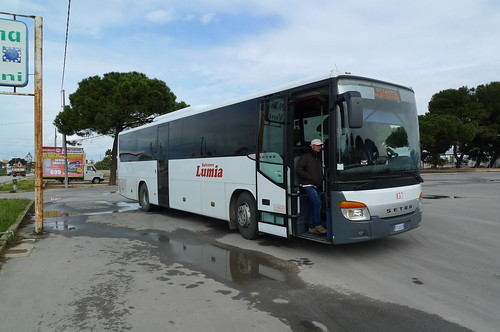
We left Trapani on the bus for Agrigento. By the looks of weather, we'd have to see the archaeological site in the afternoon and move on after only one night. Between the weather and bus schedule, it felt like we were heading into The Amazing Race. Luck would have it, our bus developed a mechanical problem half way, after many calls by our driver and about an hour wait, a replacement bus showed up. Driver and passengers all continued on the new bus. We were particularly relieved -- now it will be two nights in Agrigento with a whole day for the archaeological park.

Once we settled into our room, we spent the remainder of the afternoon walking around town. Agrigento is famous for the remains of the Greek temples in the valley below the town. The town, sits on a hill overlooking the sea, a favorite setting for Greek settlements, has had continuous occupation for over two millenniums, evidenced in one of the churches in town built on top of a Greek temple a millennium ago.

Today this wondrous town languishes in a slow decay. Much of the tourism to the Valley of Temples bypasses the town all together. Walking through town, efforts of renewal can easily be gleaned.

Waiting for the replacement bus.
Agrigento, Sicily, Italy

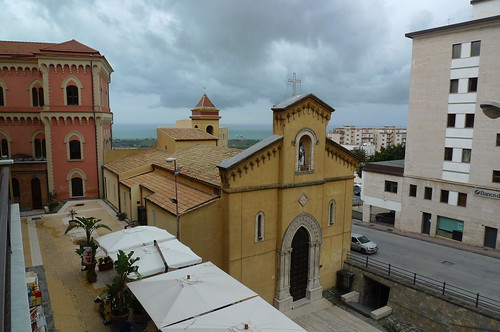
The view from our hotel room.
Agrigento, Sicily, Italy

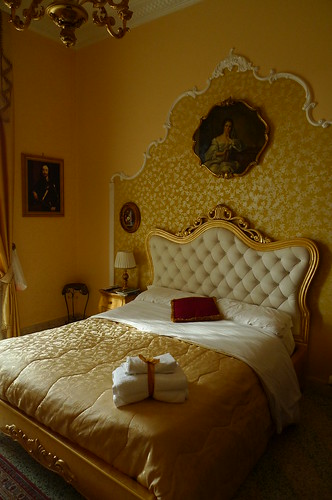
The view inside our room. Wow!
Agrigento, Sicily, Italy

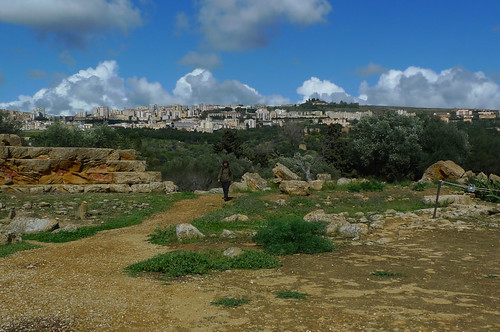
View up to modern day Agrigento from the archaeological park.
Agrigento, Sicily, Italy

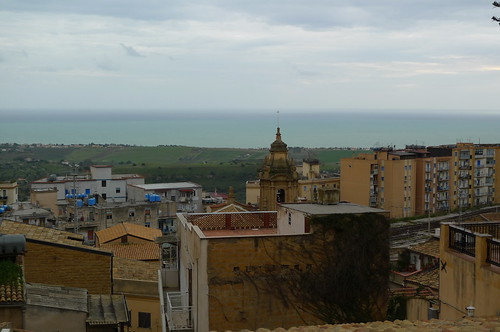
View from modern town south to the Mediterranean.
Agrigento, Sicily, Italy

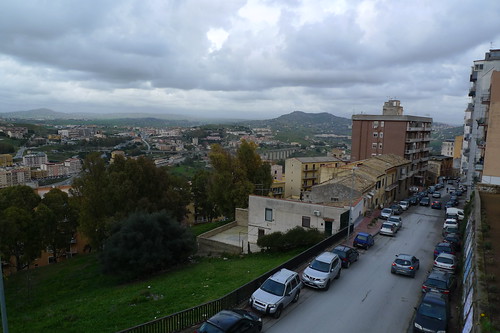
View north of town.
Agrigento, Sicily, Italy

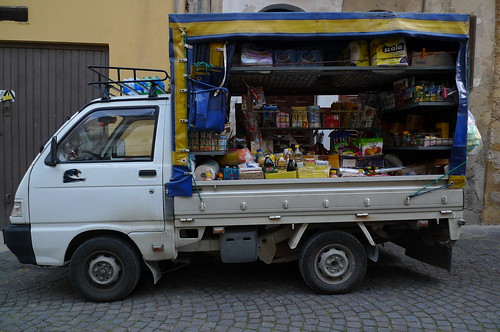
Mobile grocery shop on the upper back streets.
Agrigento, Sicily, Italy

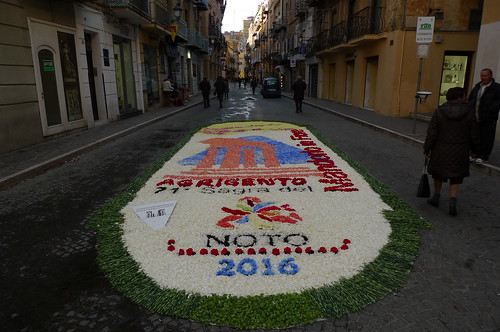
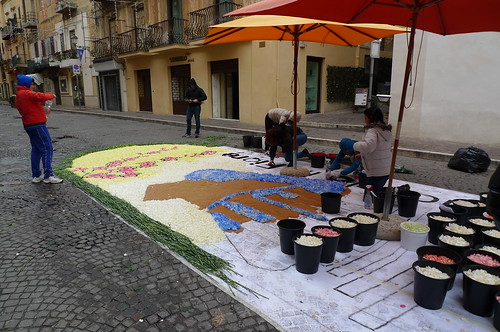
Flower art in progress on the Old Town's main street.
Agrigento, Sicily, Italy

And finished.
Agrigento, Sicily, Italy

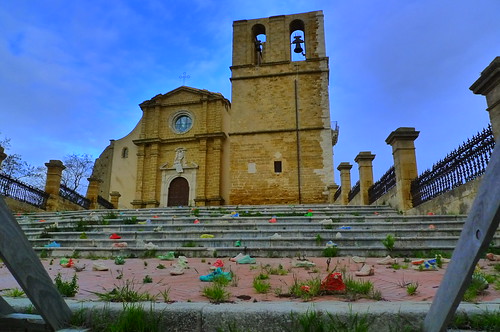
Art Installation on the steps of the Cathedral.
Agrigento, Sicily, Italy

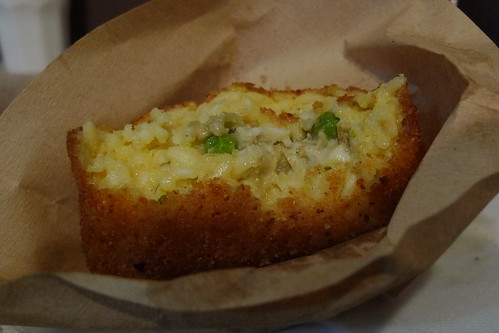
In Agrigento, we had our first and maybe last arancino ie Sicilian Stuffed Rice Ball. Why? It's not easy to find a vegetarian arancino, and second they are saturated with butter which I liked but Sun-Ling did not at all.
Agrigento, Sicily, Italy

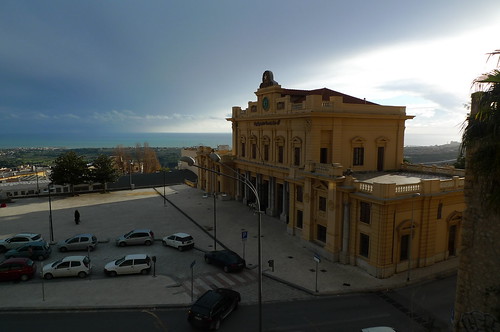
The train station.
Agrigento, Sicily, Italy

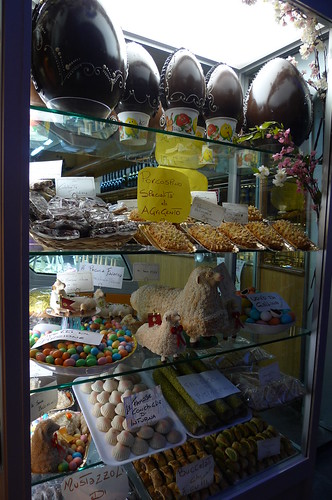
The shop windows reveal Easter is coming.
Agrigento, Sicily, Italy

Saturday, March 12, 2016

Tempio di Segesta

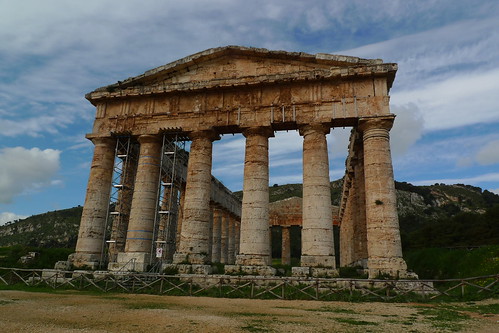
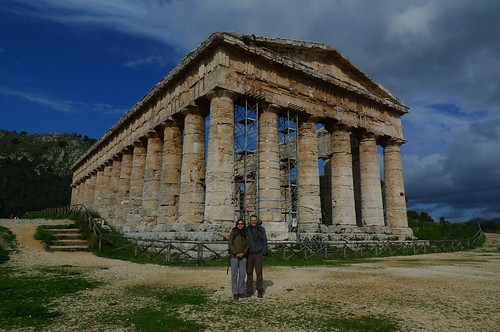
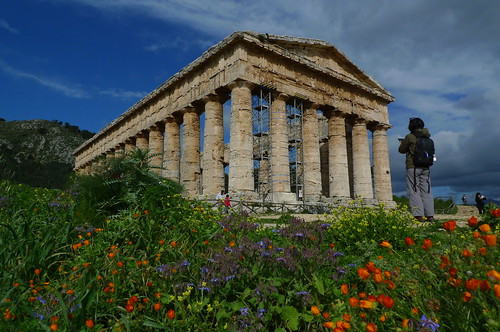
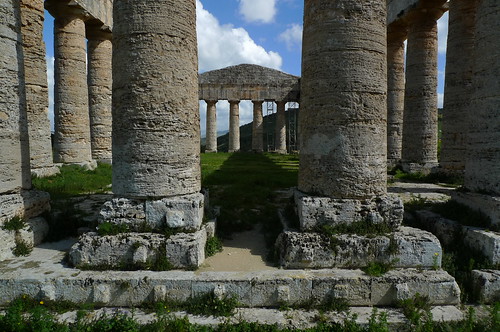
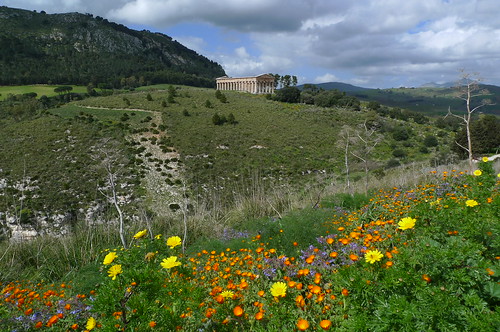
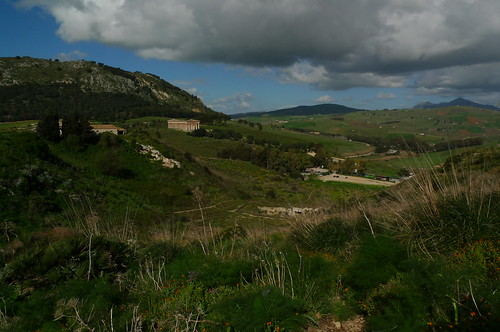
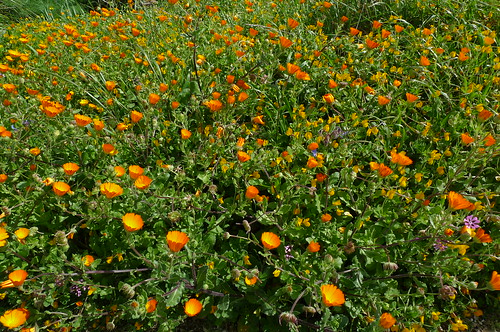
Since before we bought our tickets for this trip, I've been anticipating visiting the unfinished 5th-century BC Greek Temple in western Sicily at Segesta. It is said to be one the finest of all the ancient Greek temples, nestled in the hills among the wild flowers. One admires Tempio di Segesta for its solitary beauty and is left wondering why it was never completed.
Not only was the tempio never completed, it was never destroyed, not by the Carthaginians or Muslims from North Africa, not by the Romans, or Christians, or Normans, or by earthquake. One day I'll surely return and it will still be there glowing in the sunlight.

Tempio di Segesta - Trapani, Sicily, Italy

Tempio di Segesta - Trapani, Sicily, Italy

Tempio di Segesta - Trapani, Sicily, Italy

Tempio di Segesta - Trapani, Sicily, Italy

Tempio di Segesta - Trapani, Sicily, Italy

Tempio di Segesta - Trapani, Sicily, Italy

Tempio di Segesta - Trapani, Sicily, Italy

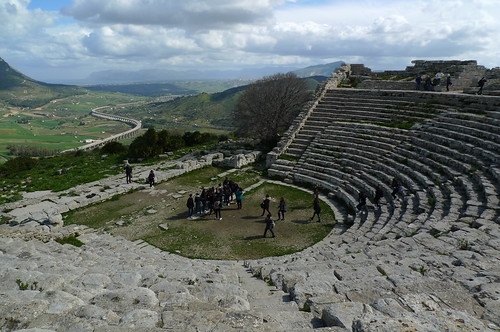
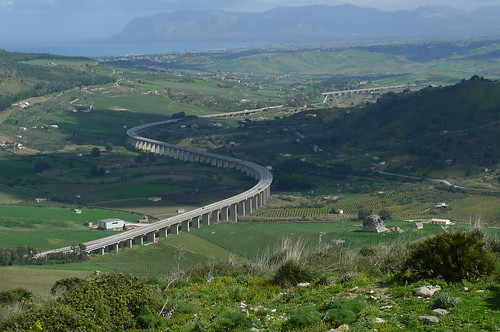
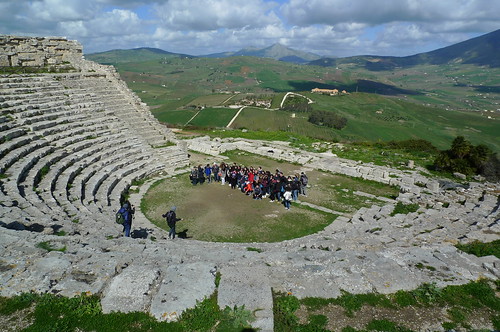
There was a Hellenized settlement in the surrounds which featured a theater with a view. The autostrada viaduct in the distance is recent ;-).
Tempio di Segesta - Trapani, Sicily, Italy

Closer shot of the autostrada and its beautiful viaducto.
Tempio di Segesta - Trapani, Sicily, Italy

Tempio di Segesta - Trapani, Sicily, Italy


Friday, March 11, 2016

Trapani

After Monreale, we headed back to the hotel, picked up our bags, walked directly to the new bus station and took a bus to Trapani. This part of the itinerary had changed many times even when we were planning at home. Since John is under the weather, our choices became easier.

Trapani has a lot fewer tourists than Palermo. We were surprised to find that the half-a-dozen small B&Bs that were taking reservations online were completely unmanned. I felt awful that sick John had to trudge around town, but the happy ending was that we ended up in a top floor apartment in an old palazzo.

We loved Trapani. It seems such a pleasant and livable town. We saw fishermen sitting around fixing nets in the evening. The town is surrounded by water. It reminds us of Nafplio (Peloponnese, Greece). Best of all, we found popular eating places adored by local people!

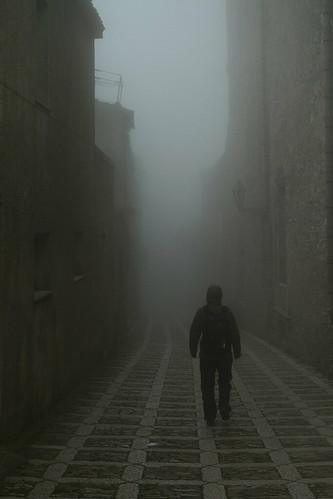
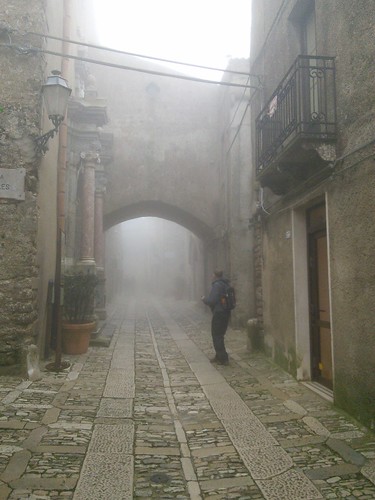
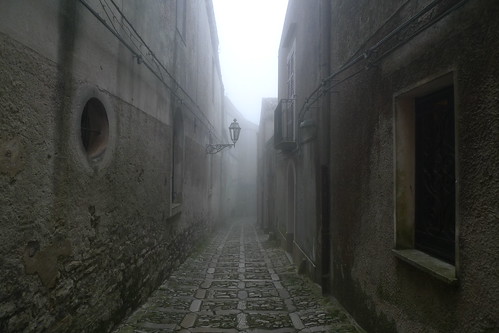
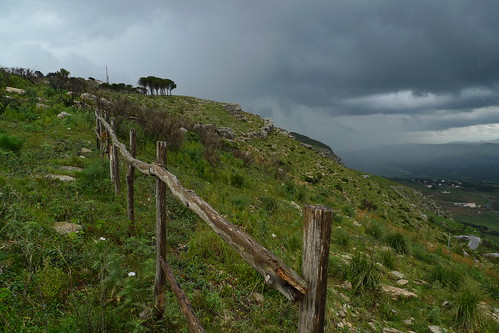
One of the reasons to come Trapani is to visit the hilltop town (~750 meters) of Erice. Our landlady warned us to watch the weather, as we could easily be heading into a cloud with no chance to enjoy the spectacular views. Neither of the two days we had looked good, but Tuesday seemed better, so we took the bus up. We were under darkish clouds, but could clearly see down and around. The town of Erice seems sparsely inhabited. Not too many things were open, which was no big deal for us. However, by the time we left, the clouds had descended, visibility was about 5 meters!

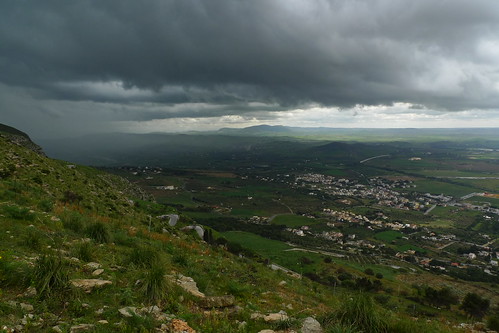
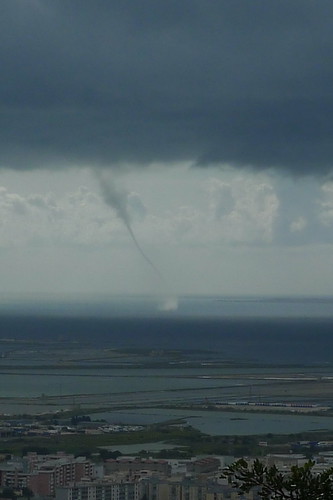
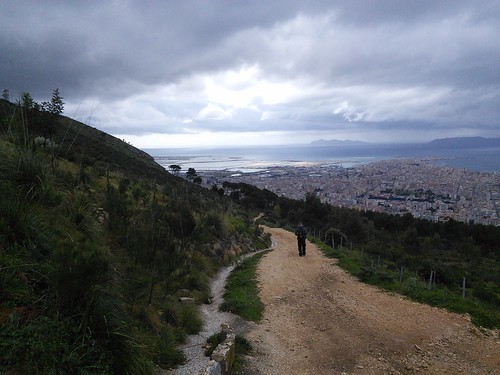
Even though John wasn't 100%, we stuck with our original plan of walking the 7 kms back to town. On the way back, we had very rewarding views, but we also had every kind of weather: sun, rain, mist, fog, wind, clouds, hail, lightening, thunder, and a water spout!!! I realized Accuweather and Google weather are not adequate, and found out from our landlady that ilmeteo.it is the one to use.

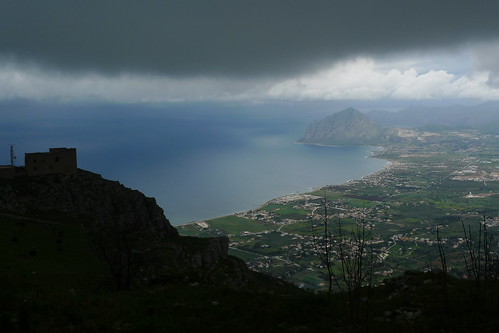
Looking east from Erice.

Erice - Trapani, Sicily, Italy

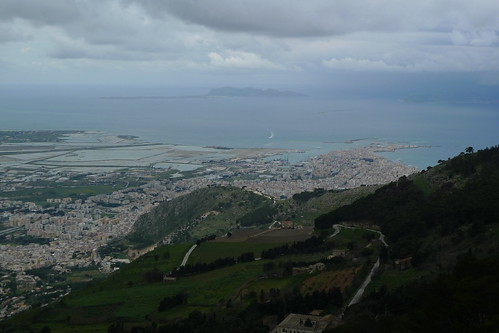
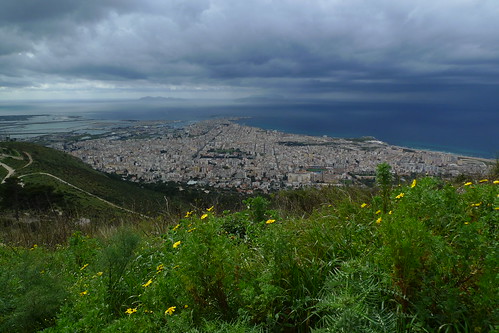
Looking west with Trapani below. Check out the salt pans to the south (left). Supposedly on a very clear day, one can see North Africa form here. Tunisia is just 125 miles to the west.
Erice -Trapani, Sicily, Italy

The clouds roll in on Sun-Ling.
Erice -Trapani, Sicily, Italy

And John.
Erice - Trapani, Sicily, Italy

Erice -Trapani, Sicily, Italy

And some views from the walk down.
Erice -Trapani, Sicily, Italy

Erice -Trapani, Sicily, Italy

Trapani.
tErice -Trapani, Sicily, Italy

Erice -Trapani, Sicily, Italy

Trapani, Sicily, Italy

Erice -Trapani, Sicily, Italy

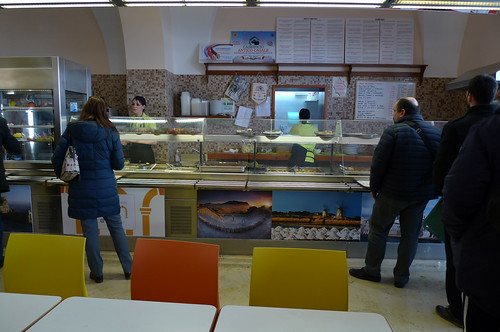
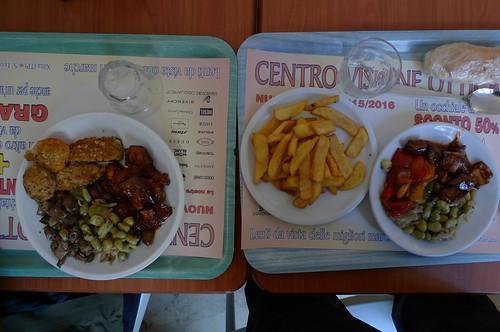
Twice we ate lunch at this self-service cafeteria near Piazza Vittorio Emanuele.
Trapani, Sicily, Italy

Trapani, Sicily, Italy

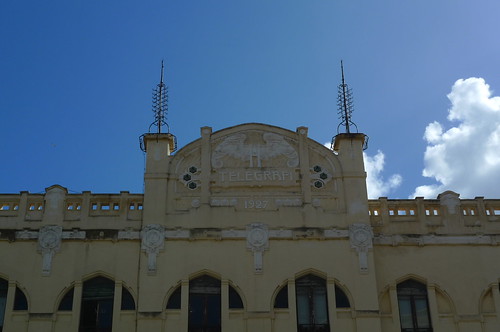
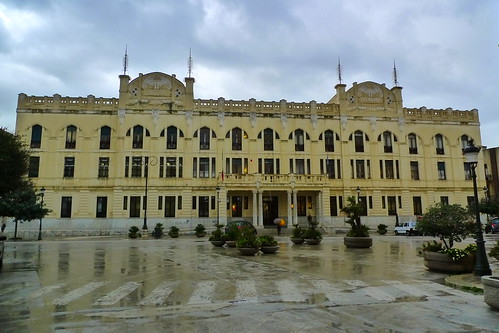
The Art Nouveau Post and Telegraph Office. No photos allowed inside.
Trapani, Sicily, Italy

Trapani, Sicily, Italy

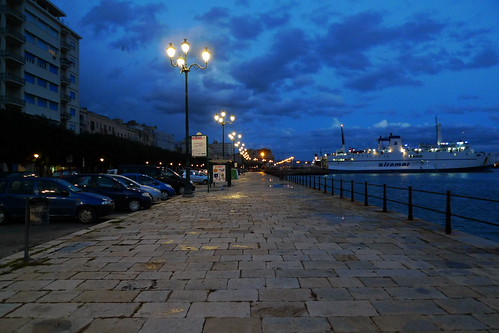
The waterfront at night.
Trapani, Sicily, Italy

Some shots from around the Old Town.
Trapani, Sicily, Italy

Trapani, Sicily, Italy

Trapani, Sicily, Italy

Most Recent Post

Italy: Ortisei, Day 2

The second day we took a bus to Passo Sella to ride the Forcella del Sassolungo gondola (~2180m - ~2680m), nicknamed the "Coffin Lift...

Most Popular Posts of Last 30 Days